













La automatización en la respuesta a incidentes no se trata de reemplazar a las personas.
Se trata de que las cosas importantes pasen sin depender del azar.
Porque cuando ocurre un incidente, el problema no es solo técnico.
Es todo lo que pasa alrededor:
- quién se entera
- quién responde
- cuánto se demora
- qué tan claro está lo que hay que hacer
Y ahí es donde la automatización cambia todo.
Primero, lo que pasa sin automatización
Un escenario muy común:
- ocurre un problema
- alguien recibe una alerta
- no queda claro quién debe actuar
- se avisa por distintos canales
- alguien responde… pero tarde
- se pierde tiempo coordinando
👉 Mucho esfuerzo en coordinar, poco en resolver.
Entonces, ¿Qué cambia cuando automatizas?
No es que desaparezcan los incidentes.
Lo que cambia es cómo reacciona el equipo.
1. Se elimina la duda
En vez de:
👉 “¿quién ve esto?”
pasa a ser:
👉 “esto ya le llegó a la persona correcta”
2. Se reduce el tiempo de reacción
Cuando no tienes que:
- buscar a alguien
- escribirle
- esperar respuesta
todo ocurre mucho más rápido.
3. Se asegura que alguien responda
Este es probablemente el beneficio más importante.
No se trata solo de notificar, sino de:
- confirmar recepción
- escalar si no hay respuesta
- insistir automáticamente
👉 el incidente no queda “en el aire”.
4. Se ordena la operación
Menos caos, menos improvisación.
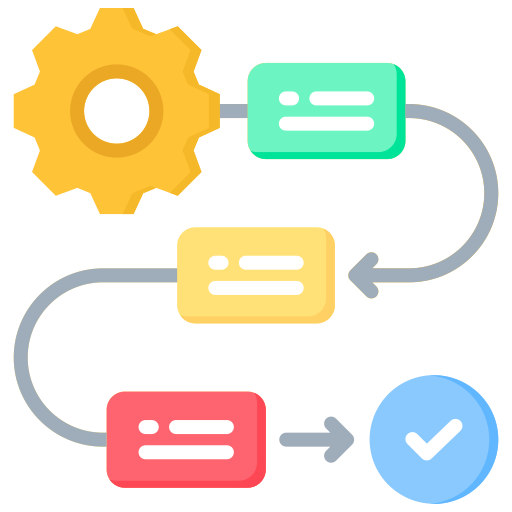
Cada incidente sigue un flujo claro:
- se detecta
- se notifica
- alguien responde
- se escala si es necesario
5. Se reduce la carga mental del equipo
Esto es clave y pocas veces se menciona.
Cuando todo es manual:
- hay que estar pendiente
- revisar constantemente
- coordinar todo
Con automatización:
👉 el sistema se encarga de la parte repetitiva
👉 el equipo se enfoca en resolver
6. Se evitan errores humanos
No porque el equipo falle, sino porque:
- somos humanos
- nos distraemos
- nos equivocamos
Automatizar procesos críticos reduce ese riesgo.
7. Mejora la continuidad operacional
Al final, todo impacta en lo mismo:
- menos tiempo sin servicio
- menos impacto en usuarios
- menos escalamiento innecesario
Un ejemplo simple
Sin automatización:
- alerta → alguien la ve → avisa → espera → escala manual
Con automatización:
- alerta → notificación automática → confirmación → escalamiento automático
👉 menos pasos, menos fricción.
Algo importante
Automatizar no significa perder control.
Significa definir reglas claras para que las cosas pasen siempre de la misma forma, incluso bajo presión.
Entonces, ¿cuál es el beneficio real?
No es solo “hacerlo más rápido”.
Es pasar de una operación reactiva y dependiente de personas…
a una operación donde:
👉 las cosas pasan cuando tienen que pasar
👉 nadie tiene que “acordarse”
👉 ningún incidente queda sin atención
Los equipos más eficientes no son los que trabajan más rápido.
Son los que tienen menos fricción para reaccionar.
Y esa diferencia, en momentos críticos, lo cambia todo.
Si hoy tu equipo depende de mensajes, correos o coordinación manual para responder incidentes, probablemente ahí está el cuello de botella.
24Cevent automatiza la notificación, el escalamiento y la coordinación de la respuesta, para que cada incidente tenga seguimiento real y no dependa de procesos manuales.