







Es una pregunta más común de lo que parece.
Y casi siempre viene acompañada de frases como:
- “tenemos muchas alertas”
- “nadie las revisa”
- “nos enteramos igual por los usuarios”
- “al final no sirve de mucho”
Pero acá hay algo importante:
👉 el problema casi nunca es el monitoreo en sí
En simple
El monitoreo falla cuando:
- está mal configurado
- genera demasiado ruido
- no tiene responsables claros
- no está conectado a una acción
👉 No es la herramienta. Es cómo se usa.
El mito: “la herramienta no sirve”
Hoy existen herramientas muy potentes:
- Zabbix (infraestructura)
- Nagios (monitoreo tradicional)
- PRTG (sensores rápidos y simples)
- Datadog (observabilidad moderna)
- Dynatrace (APM avanzado)
- New Relic (telemetría y performance)
Todas funcionan bien.
Todas detectan problemas.
👉 Entonces, ¿por qué no ayudan?
Porque detectar no es lo mismo que gestionar.
El problema real: demasiadas alertas
Uno de los errores más comunes: monitorear todo… sin criterio
Resultado:
- cientos o miles de alertas
- falsos positivos
- notificaciones irrelevantes
- fatiga del equipo
Nadie sabe qué es realmente importante
Falta de contexto
Otra situación frecuente:
- llega una alerta
- pero no explica mucho
El equipo tiene que:
- investigar
- buscar información
- cruzar datos
👉 se pierde tiempo antes de actuar
No hay responsables claros
El monitoreo detecta.
Pero no decide.
Entonces pasa esto:
- la alerta llega
- pero nadie responde
- o todos asumen que alguien más lo hará
y el problema sigue creciendo
No hay flujo de acción
Muchas implementaciones de monitoreo terminan así:
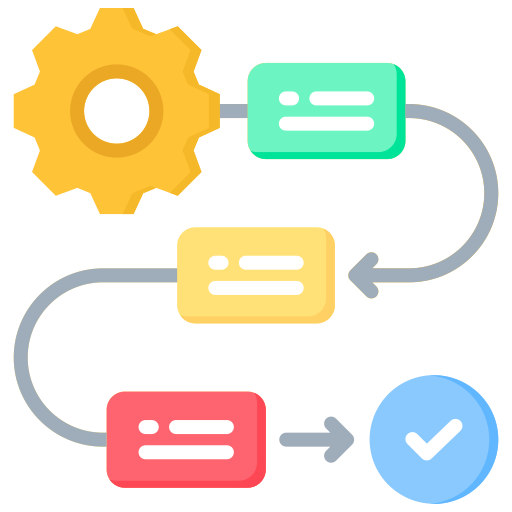
👉 detectar → notificar → fin
Pero falta lo más importante:
qué pasa después
- quién toma la alerta
- qué se hace
- cuándo escalar
- cómo hacer seguimiento
👉 sin eso, el monitoreo queda incompleto
Entonces, ¿por qué “no sirve”?
Porque el monitoreo por sí solo no resuelve nada.
Es solo el primer paso.
👉 detectar es fácil
👉 reaccionar bien es lo difícil
¿Cómo mejorar esto?
1. Reducir ruido
- eliminar alertas irrelevantes
- ajustar umbrales
- priorizar lo importante
👉 menos alertas, más foco
2. Agregar contexto
Cada alerta debería responder:
- qué pasó
- qué tan grave es
- qué sistemas afecta
- qué hacer
👉 no obligar al equipo a investigar desde cero
3. Definir responsables
Cada alerta debe tener:
alguien que la tome
Y si no responde:
👉 escalar automáticamente
4. Conectar con acción
El monitoreo no termina en la alerta.
Debe continuar con:
- notificación efectiva
- seguimiento
- resolución
- aprendizaje
👉 eso es operación real
¿Dónde entra 24Cevent?
Aquí es donde muchas empresas hacen el cambio.
Siguen usando sus herramientas de monitoreo.
Pero agregan una capa encima.
👉 una capa de gestión
24Cevent toma las alertas de herramientas como Zabbix, Datadog o Dynatrace y se encarga de:
- notificar de forma efectiva (llamadas, app, etc.)
- asegurar que alguien responda
- escalar si no hay respuesta
- coordinar equipos
- hacer seguimiento
👉 convierte alertas en acciones
Entonces, ¿qué está pasando realmente?
Tu monitoreo probablemente sí está funcionando
Pero:
- está mal afinado
- no está conectado a procesos
- no tiene una capa de gestión
por eso no genera valor
El monitoreo no es el problema.
El problema es pensar que con monitorear basta.
Las empresas que realmente mejoran su operación hacen esto:
👉 monitorean bien
👉 gestionan mejor
Y ahí es donde todo cambia.
Si hoy sientes que tu monitoreo genera más ruido que valor, probablemente no necesitas cambiar de herramienta, sino mejorar cómo se gestionan esas alertas.
24Cevent permite tomar lo que ya tienes y convertirlo en un flujo claro de acción, asegurando respuesta, seguimiento y coordinación real de incidentes.