
















A curious thing happens in many IT organizations.
As they grow, so do the number of tools:
- one for infrastructure
- another for applications
- another for logs
- another for user experience
- another for network
And in theory, that should improve visibility.
In practice, however, the opposite is often true.
👉 the more tools, the more difficult it becomes to operate.
In simple
Having many monitoring tools is not the problem.
The problem is:
👉 not having a clear way to manage them as a whole.
Because each tool sees a part of the system…
but no one is seeing the whole picture.
Why does this happen?
Each tool has a valid role:
- Datadog → observability
- PRTG → infrastructure
- New Relic → applications
- Zabbix → traditional monitoring
👉 all add value
The problem arises when:
- are not connected
- do not share context
- there is no common management layer
That’s where the friction begins.
What happens in practice
When there are many uncoordinated tools, problems arise such as:
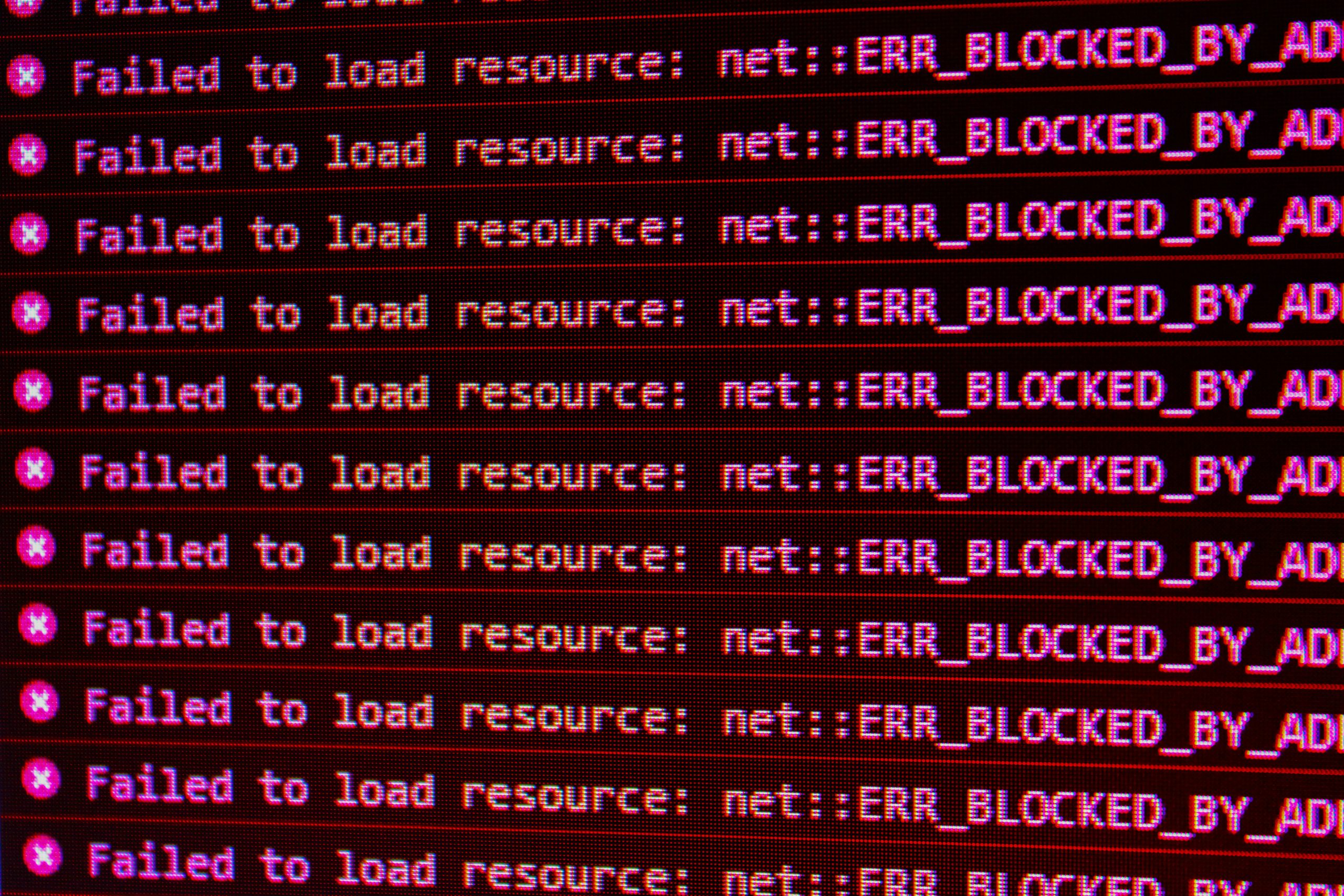
Duplicate alerts
- the same incident generates multiple alerts
- each tool reports its vision
👉 unnecessary noise
Lack of unified context
- a tool shows symptoms
- other sample metrics
- another sample logs
👉 the team has to assemble the puzzle manually.
Slower reaction time
- multiple platforms need to be reviewed
- understand what is going on
- decide where to start
👉 time is lost before action is taken
4. Complex coordination
- different teams use different tools
- everyone sees something different
- it is difficult to align the information
👉 increases operating friction.
5. Increased mental workload
- too many sources of information
- multiple dashboards
- different warning logics
👉 the equipment is overloaded
A simple example
Scenario with multiple tools without management
- a service is down
- alert infrastructure
- alert application
- logs show errors
The team receives:
- 3-5 different alerts
- in different systems
Result:
- confusion
- duplication of work
- slower reaction
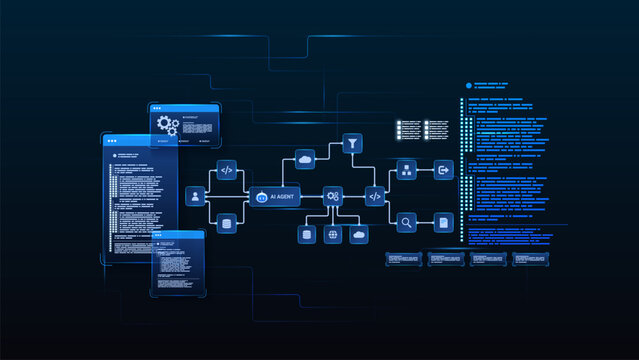
Scenario with unified management
- multiple tools detect the problem
- alerts are centralized
- are correlated
- a clear vision is presented
Result:
- less noise
- better understanding
- faster reaction time
👉 same information, different result
Comparison: without vs. with centralized management
| Appearance | No centralized management | With centralized management |
|---|---|---|
| Alerts | Duplicates | Correlated |
| Context | Fragmented | Unified |
| Reaction time | Slow | Faster |
| Coordination | Complex | Fluid |
| Operating load | High | Reduced |
So… is it bad to have a lot of tools?
No.
In fact, it is quite normal.
Each serves a purpose.
The problem is to think that:
👉 more monitoring = better operation
When in fact:
👉 better management = better operation
What you should do in this scenario
If you already have several tools, you do not need to delete them.
You need:
1. Centralize alerts
Receive everything in one place.
👉 a source of truth
2. Correlating events
Group alerts belonging to the same incident.
👉 less noise
3. Prioritize
Not everything should be treated equally.
👉 focus on what is important
4. Automate the response
Assign responsibility, escalate and coordinate automatically.
👉 less manual dependence
5. Unify operational visibility
That all teams see the same thing.
👉 better coordination
What is important in the background
Monitoring is just the beginning.
Detecting problems is easy.
The hard part is:
👉 understand them and act fast
And that is not solved by having more tools.
It is solved by better management.
What changes when you get it right
When you centralize and organize management:
- reduces noise
- improves reaction time
- equipment load is reduced
- increases operational clarity
👉 operation becomes much more efficient.
If today your team is reviewing multiple tools to understand what’s going on, you probably don’t need more monitoring, but a way to sort it out.
👉 24Cevent allows you to centralize alerts from multiple tools, correlate them and automate management, helping to transform multiple signals into a clear and actionable operation.