
How does on-call work in IT?
The on-call model is one of the pillars of any technological operation that requires continuity. It ensures that, in the event of

The on-call model is one of the pillars of any technological operation that requires continuity. It ensures that, in the event of

When an incident occurs, there is a key question: 👉 what if no one responds? That’s where automatic scaling comes in. But

Incident management software is often confused with monitoring tools, as if they were the same thing, but they are not. In fact,

Downtime is one of the biggest risks for any company. It can mean: lost sales
, stopped operations, poor customer experience,

Monitoring fails when: it is misconfigured, generates too much noise, does not have clear accountabilities, is not connected to an action. So

Many rules are defined as follows: “if no one responds in X minutes, escalate” And although it sounds logical, it does not
An incident post-mortem is an analysis that is performed after a problem occurs in a system, with the objective of understanding what

Automation in incident response is not about replacing people. It’s about making the important things happen without relying on chance, and that’s
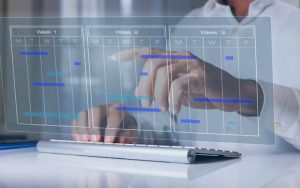
It serves a fairly simple (yet critical) purpose: to ensure that someone is always available when a problem occurs.
Because in

When no one responds to an alert, the problem is not the alert itself: it is that the incident goes unattended.

