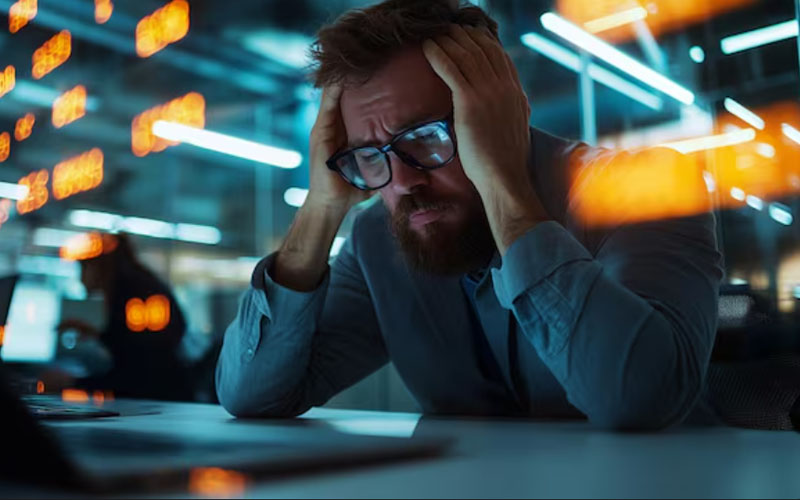
If you work in IT operations, this will ring a bell:
- alerts at 2 AM
- interrupted weekends
- constant notifications
- calls that you do not know if they are critical or not
And the feeling is always the same:
👉 be available all the time
The problem is not only technical.
It is operational… and also human.
In simple
Handling after-hours alerts is not about:
receive fewer alerts
But of:
👉 receive the right ones, at the right time, for the right person.
What usually happens
Many teams operate in this way:
- all equipment receives alerts
- no differentiation by time of day
- it is not clear who is on duty
- everything seems urgent
Result:
- constant interruptions
- equipment wear
- ignored alerts
- late reaction to what is really critical
👉 operational chaos
The real problem
Not that there are alerts.
There is no filter.
When it all sounds no one knows what to attend to first
And when that happens, many times the equipment stops reacting.
So, how to manage it better?
1. Clearly define who is on duty
It seems basic, but it is not always clear.
You need:
- defined shifts
- clear replacements
- vacations considered
- ordered rotations
👉 after hours, there can be no doubt.
2. Differentiate criticality
Not everything should wake someone up.
Classify alerts:
- reviews → yes or yes
- high → evaluate
- medium/low → working hours
👉 protecting the equipment’s time is key
3. Use appropriate channels
After hours, not everything works.
An email at 3 AM: does not work
You need channels that actually generate action:
- calls
- active notifications
- app
👉 the critical must interrupt
4. Ensure that someone responds
It is not enough to send the alert.
It must exist:
👉 confirmation
If no one responds:
👉 automatic scaling
not to rely on chance
5. Reduce noise
If you wake someone up for something irrelevant:
you lose credibility
And then:
👉 the really important things are ignored
A real example
Typical Scenario
- multiple early morning alerts
- reach several people
- no one responds of course
- some of them are ignored
- the important things are taken care of late
Result:
👉 stress + bad SLA
Optimized scenario
- critical alert detected
- only the person in charge of the shift is notified
- receives clear warning
- confirms
- if no answer, scale
Result:
👉 less noise + effective response
Something important
Managing after-hours alerts is not just about efficiency.
It is: quality of life of the equipment
Because if the system is not well designed:
people end up absorbing the chaos
So, what changes?
Raisins from:
“everyone attentive all the time”
A:
👉 “only who is right, when it is right.”
And that makes a huge difference.
After-hours alerts will always exist.
But they shouldn’t:
- to interrupt unnecessarily
- generate constant wear
- depend on luck
should be controlled
And when that happens:
👉 improves the operation… and also the equipment.
If your team is feeling overloaded by after-hours alerts today, it’s probably not a problem of volume, but of how they are managed.
24Cevent allows you to define shifts, set up notification rules, ensure that each alert reaches the right person and automatically escalate if there is no response, helping to make the operation much more sustainable.