



An alert system for development teams is the mechanism that allows detecting problems in applications or infrastructure and automatically notifying the responsible people so that they can act in time.
In practice, it’s not just about generating alerts, but ensuring that someone receives them, understands them and responds quickly.
In a nutshell
- Detects system problems (errors, crashes, slowness)
- Automatically sends alerts to equipment
- You must ensure that someone responds
- Includes escalation if no response
- The biggest challenge is not alerting, but coordinating the response.
What does a warning system do in development?
In development environments (DevOps, backend, platforms), systems are constantly generating events:
- bugs in code
- API failures
- service failures
- problems in deployments
- resource saturation
An alert system takes these events and transforms them into actionable signals for the team.
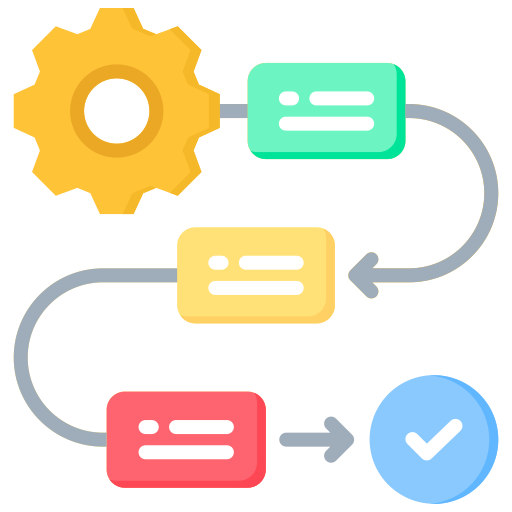
How does it work step by step?
Detection of the problem
Tools such as:
- Datadog
- Dynatrace
- New Relic
- Prometheus
detect anomalies or errors.
2. Alert generation
When a condition is met (e.g. error > X%), an alert is generated.
3. Routing
The alert must reach the correct equipment:
- backend
- frontend
- infrastructure
- database
👉 This is where the complexity begins.
4. Notification
The alert is sent via:
- Slack
- SMS
- calls
- mobile app
5. Confirmation
Someone must recognize that they are attending to the problem.
👉 This is one of the most critical points.
6. Scaling
If no one responds:
- another person is notified
- is scaled to another level
- the alert is repeated
7. Resolution
The team investigates and corrects the problem.
🚨 The real problem: alerting doesn’t mean reacting
Many teams already have alerts in place.
But this is still the case:
- too many notifications arrive
- no one knows who should act
- alerts are ignored
- context is lost
- late response
👉 The system alerts… but the equipment does not react.
Why do warning systems fail?
❌ Excessive noise
Too many alerts → are ignored.
❌ Weak notifications.
Emails or messages that go unnoticed.
❌ Lack of responsible parties
“I don’t know if it’s my turn.”
❌ Manual processes
They depend on someone taking the initiative.
❌ Lack of follow-up
It is not known if the incident is being attended to.
How should an effective warning system work?
A well-designed system should ensure:
- Let every alert reach the right person
- Someone to confirm receipt
- If there is no response, it is automatically escalated.
- Visibility of the state
- Minimal reaction time
👉 In short: it is not enough to alert, you have to ensure the response.
Actual example
Typical scenario:
- service failure
- an alert is generated
- comes to Slack
- no one sees it
- 15 minutes pass
- the customer reports the problem
Optimized scenario:
- the fault is detected
- the responsible party is automatically notified
- receive a clear alert (app, call, message)
- confirms receipt
- if no response, it is scaled
- the problem is taken care of in minutes
👉 The difference is in coordination, not alertness.
Alert vs. monitoring system
| Monitoring | Alert system |
|---|---|
| Detects problems | Communicate the problem |
| Generates data | Activates people |
| Observes systems | Start reply |
They are complementary.
Frequently Asked Questions
Does an alert system replace monitoring?
No. Monitoring detects problems.
The alert system makes sure that someone attends to them.
What happens if no one responds to an alert?
If there is no automatic escalation, the incident may remain unattended.
That is why it is key to ensure effective notification.
What is the best channel for alerts?
It depends on the criticality.
For critical incidents, active channels (such as calls or app) work better than email.
Can everything be automated?
Not everything, but yes:
- notification
- escalation
- assignment
Why aren’t my alerts working?
Generally by:
- excess noise
- misconfiguration
- lack of responsible parties
- inefficient channels
Conclusion
An alert system is not measured by how many notifications it sends, but by how many incidents it manages to ensure that they are dealt with in time.
The teams that operate best are not the ones that have the most alerts, but the ones that succeed:
👉 react quickly
👉 coordinate correctly
👉 do not leave incidents without attention
When a critical alert occurs, the most important thing is not just that it is generated, but that someone sees it and acts on it in time.
24Cevent is designed to do just that: ensure that every alert gets a real response, not just a notification.