
How to Effectively Prevent Downtime in Critical IT Systems

Discover proven strategies for preventing downtime in critical IT systems: proactive monitoring, intelligent automation, multi-channel alerts, and a culture of prevention that reduce downtime.
Automate IT Incident Response: Simple and Without Getting Overwhelmed

Automating IT incident response doesn’t require massive teams or million-dollar budgets. Discover how to set up simple automated workflows that reduce resolution times by up to 70% without adding complexity.
Workflows – IT Alert Automation: A Step-by-Step Guide
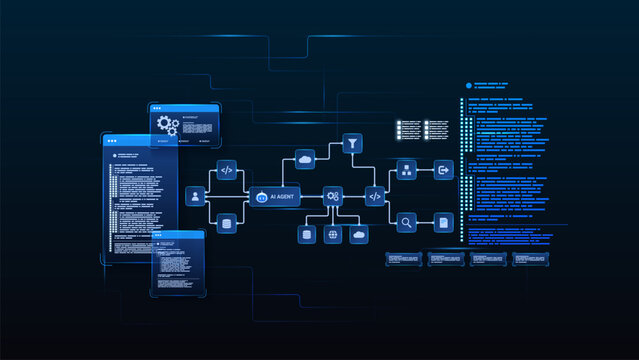
Discover how to design automated workflows for IT alerts that reduce response times, eliminate operational noise, and ensure that your team addresses only critical incidents with maximum efficiency.
Automatic Escalation of IT Alerts: A Complete Guide

Learn how to implement automatic escalation of IT alerts to ensure that no critical incident goes unaddressed. A practical guide with step-by-step instructions and best practices.
Guide to Organizing Effective IT On-Call Shifts in 2026

Organizing an effective IT on-call system requires defining clear rotations, establishing escalation protocols, and using tools that centralize alerts to reduce burnout and improve response times.
Why We Find Out About IT Problems Too Late

Find out why IT teams learn about critical issues too late and how to implement effective alerting systems that ensure timely notifications before users report problems.
Ensuring a Response to IT Alerts: A Practical Guide

Discover multichannel strategies, automatic escalation policies, and mandatory confirmation mechanisms to ensure that no critical IT alert goes unanswered.
How to Prevent Critical IT Incidents from Going Undetected

Discover proven strategies and key technologies to ensure that no critical incident goes unnoticed in your IT operations. A practical guide with actionable steps.
Incidents Detected by IT Clients: Action Guide

Find out how to respond when your customers detect incidents before your team does, implement immediate response protocols, and build proactive detection systems that protect your reputation.
Prevent a critical alert from being left without an IT person assigned to it

Find out how to implement automatic escalation and multiple notification channels to ensure that every critical alert has a designated person in charge within minutes.