












Initially, receiving many alerts seems like a good sign.
It means you are monitoring well.
That you have visibility.
That “you won’t miss anything”.
But in practice, the opposite is true.
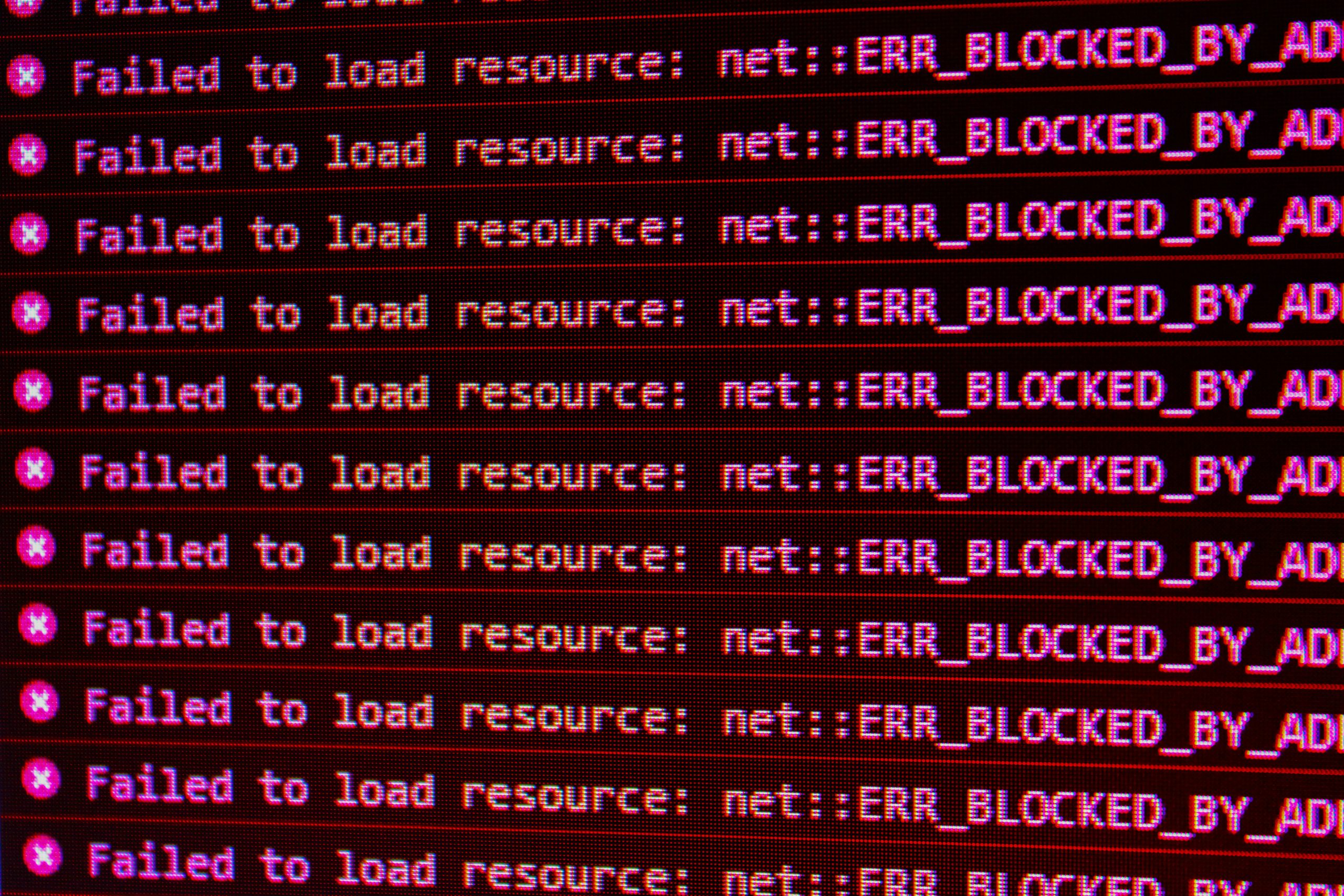
👉 when there are too many notifications, you start to see less.
In simple
The excess of notifications generates:
👉 o perating noise
And the operational noise it causes:
- loss of focus
- less responsiveness
- human error
- incidents ignored
👉 it’s not lack of information, it’s saturation.
The phenomenon: alert fatigue
In IT it has a clear name:
alert fatigue
It happens when the equipment receives so many alerts that:
- stop paying attention to them
- responds more slowly
- or directly ignores them
👉 even the important ones
Why it occurs
There are several common reasons:
Poorly defined thresholds
- alerts for non-critical events
- too much sensitivity
2. Duplicate alerts
- multiple tools reporting the same thing
- different systems generating noise about the same problem
3. Lack of correlation
- each symptom generates an alert
- instead of identifying the root cause
4. Everything is treated as urgent
- no clear levels of criticality
- everything interrupts
👉 equipment cannot prioritize
What happens in practice
When there are too many notifications, things like:
- critical alerts are lost among others
- equipment takes longer to react
- constant stress is generated
- confidence in the alert system is lost
👉 and monitoring no longer serves its purpose.
A simple example
Scenario with excessive alerts
- 50 alerts in one hour
- many do not require action
- the team begins to ignore them
When a critical alert occurs:
👉 is seen late or not attended in time.
Scenario with well-managed alerts
- few alerts
- all relevant
- prioritized
When a critical alert occurs:
👉 is attended to immediately
👉 less volume, more effectiveness
The real impact on metrics
Excessive notifications have a direct impact:
- MTTA (response time increases)
- MTTR (resolution time is lengthened)
- SLA (plus non-compliance)
👉 and all of this impacts the business.
How to know if you have this problem
Some clear signs:
- equipment mutes alerts
- rules are created to “ignore things
- there are many alerts without action
- the team relies more on users than on monitoring
- important alerts do not stand out
👉 if you see this, you have operational noise.
How to reduce noise
1. Prioritize alerts
Clearly define:
- what is critical
- what is important
- what is informative
👉 not everything must be interrupted
2. Correlating events
Instead of multiple alerts for the same problem:
👉 group them into a single one
3. Remove duplicates
Review:
- redundant tools
- unnecessary sensors
👉 less repetition, more clarity
4. Adjust thresholds
Avoid alerts for:
- normal variations
- events with no real impact
👉 more precision
5. Improve the way of notifying
Not all alerts should arrive the same.
Example:
- criticism → calls
- important → direct notification
- informative → registration
👉 the channel also matters
The real objective
It is not to have more alerts.
It is to have better alerts.
👉 alerts that generate action.
What is important in the background
Monitoring does not fail when it does not detect.
Failure when it detects too much wrong.
Because at that point:
👉 the team no longer trusts what it receives
And when that happens:
👉 operational risk increases
What changes when you do it right
When you reduce the noise:
- equipment responds faster
- improves the quality of decisions
- lowers stress
- increases confidence in the system
👉 operation becomes more efficient.
A key point
Many companies believe they need more monitoring.
But in reality they need:
👉 better alert management
If today you feel that your team receives a lot of notifications but important incidents are still attended late, the problem is probably not lack of visibility, but too much noise.
👉 24Cevent helps reduce this problem by correlating alerts, prioritizing, automating notifications and ensuring that only what is important reaches the team effectively.