




Designed for operations that cannot be stopped

Every important alert,
attended in time.

Ensures that every alert is seen, taken and managed through to resolution

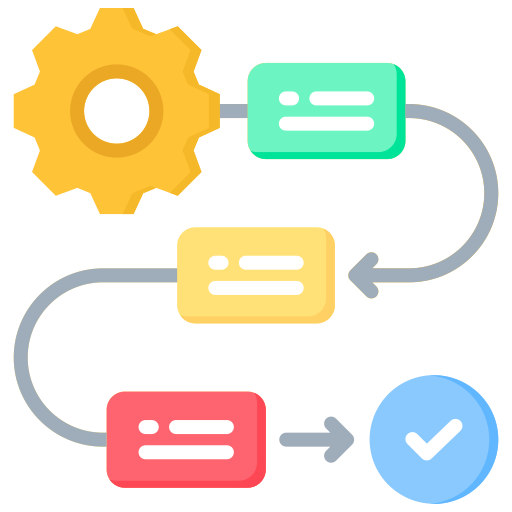
Incident Flow - 24Cevent
Alert detected
Monitoring system
Automatic call
Instant notification
"Confirmed"
Team responds
Incident closed
Full resolution
Initiating flow...


- The problem is not receiving alerts -

It is not knowing if someone
is really acting on them.

This is what is happening today

in most operations

Alerts that arrive by mail... but no one responds

Messages in Slack or Teams that get lost between conversations.

Critical incidents detected by users, not by the equipment

Manual escalations that depend on someone being available

24x7 shifts just to "watch screens".

And when no one responds, the problem is not technical... it's operational.

When the notification works, everything changes

Order in management

Each alert has a responsible person assigned to it,
a team in charge,
a traceable configuration of who is to respond

.

Automation


The notification is executed automatically, the
system works for you, not you for it.


.

Automatic scaling


If no one responds, the system escalates only to
ensure that someone takes over


.

Guarantee confirmation


It is required that someone confirms receipt of the alert,
ensuring that someone responds to it


.

Process optimization


Response times become controllable
and
can be further improved


.

A simple flow,

fully automated

An alert is generated from your monitoring tool


From the moment your monitoring detects a failure, 24Cevent immediately receives the alert at its central monitoring station and begins its process.

24Cevent notifies automatically according to defined rules


You define everything to work the way your team works in real life. Create teams, shifts, flows, escalations, vacations, and much more.

If there is no response, it is automatically scaled


The system will escalate as many times as necessary to get someone to respond to the alert.

A person in charge is assigned and confirmation is requested


All alerts with a responsible person who confirms that he or she will take care of fixing a problem. Get guaranteed traceability of every part of the process.

No manual intervention. Without depending on someone to be attentive.

We don't just notify.
We make sure someone responds.

- Each alert follows a flow until it is taken by an actual decision-maker.

When this fails

the impact is immediate

After-hours e-commerce crashes

Problems in internal systems (ERP, SAP, etc.)

Failures in critical integrations or APIs

Incidents at branch offices or remote locations

Night alerts that no one sees

What changes in your operation

What is the purpose of automatic notification in incident management?

Automatic notification ensures that alerts generated by monitoring tools are received, addressed and escalated without manual intervention, reducing response times and avoiding unmanaged incidents.

Doubts?

What happens if no one responds to an alert?

If an alert is not taken, the system automatically escalates to other responsible parties according to defined rules.
This is repeated until someone confirms receipt, ensuring that no critical incident is left unattended.

Does this work outside working hours?

Yes.
You can define shifts, guards and specific rules for out-of-office hours, ensuring that critical alerts are managed even at night or on weekends.

Does it integrate with my current monitoring tools?

Yes.
24Cevent integrates with tools such as Zabbix, Dynatrace, Azure Monitor or Google Cloud, using the alerts you are already generating without the need to change your infrastructure.

Will I receive too many notifications?

Not necessarily.
You can set up filters, rules and prioritization to avoid noise, ensuring that only relevant alerts generate notifications and action.

Do I need dedicated equipment to operate it?

No.
Automation reduces the need for constant supervision, making it possible to manage incidents without relying on 24×7 teams dedicated only to monitoring and management.

See how it would work in your operation

Simulate a real flow with your alerts
and validate how your response time would change.